Why Businesses Often Scrap Your Car Fleet Vehicles Before Repairs
Managing a fleet of vehicles involves balancing operational efficiency, maintenance costs, and long-term business requirements. Whether a company operates a small number of vans or a large fleet of commercial vehicles, every vehicle eventually reaches a point where continued use becomes less practical. For businesses in London and across the UK, deciding when to retire older vehicles is an important part of maintaining productivity and controlling costs.
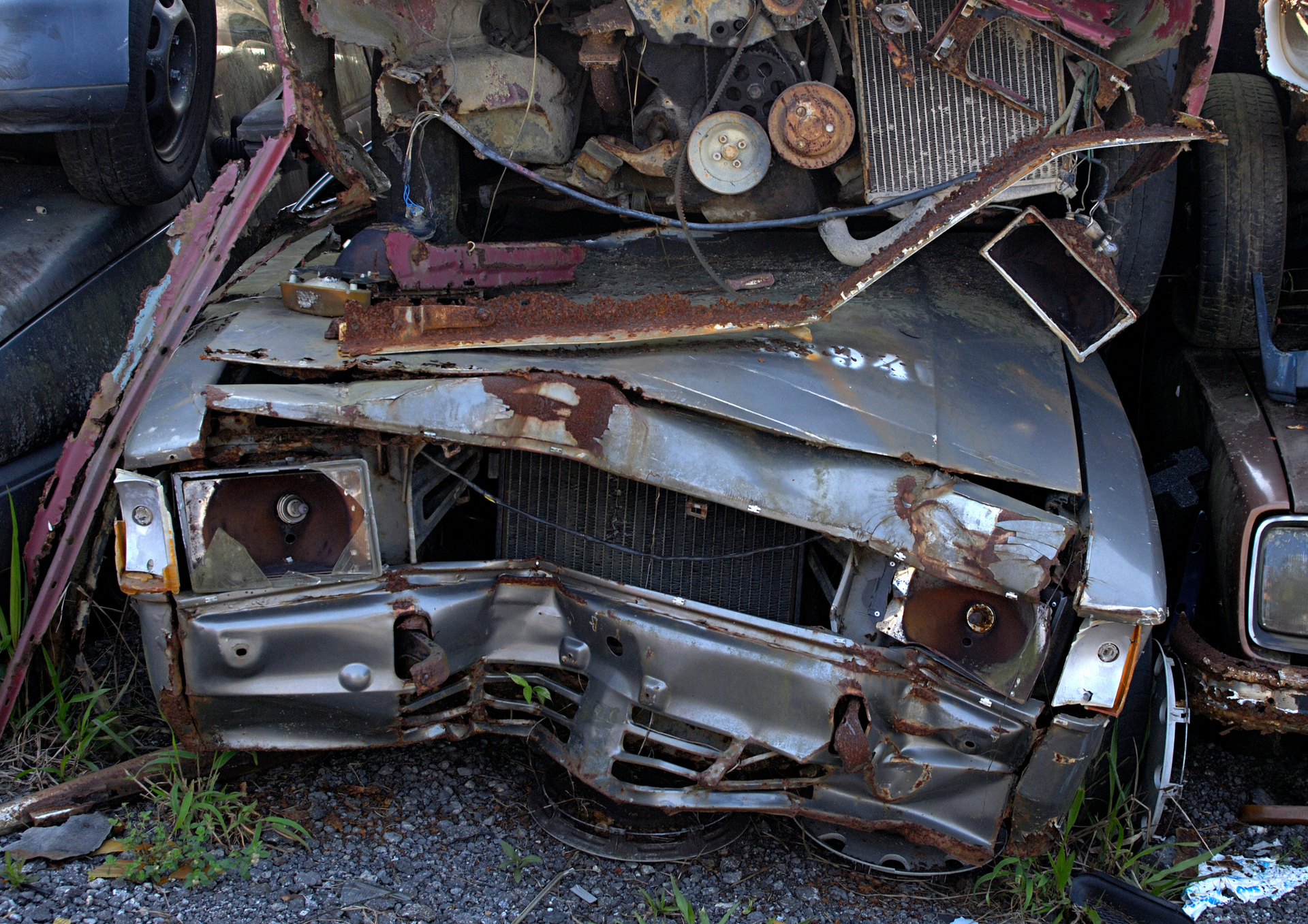
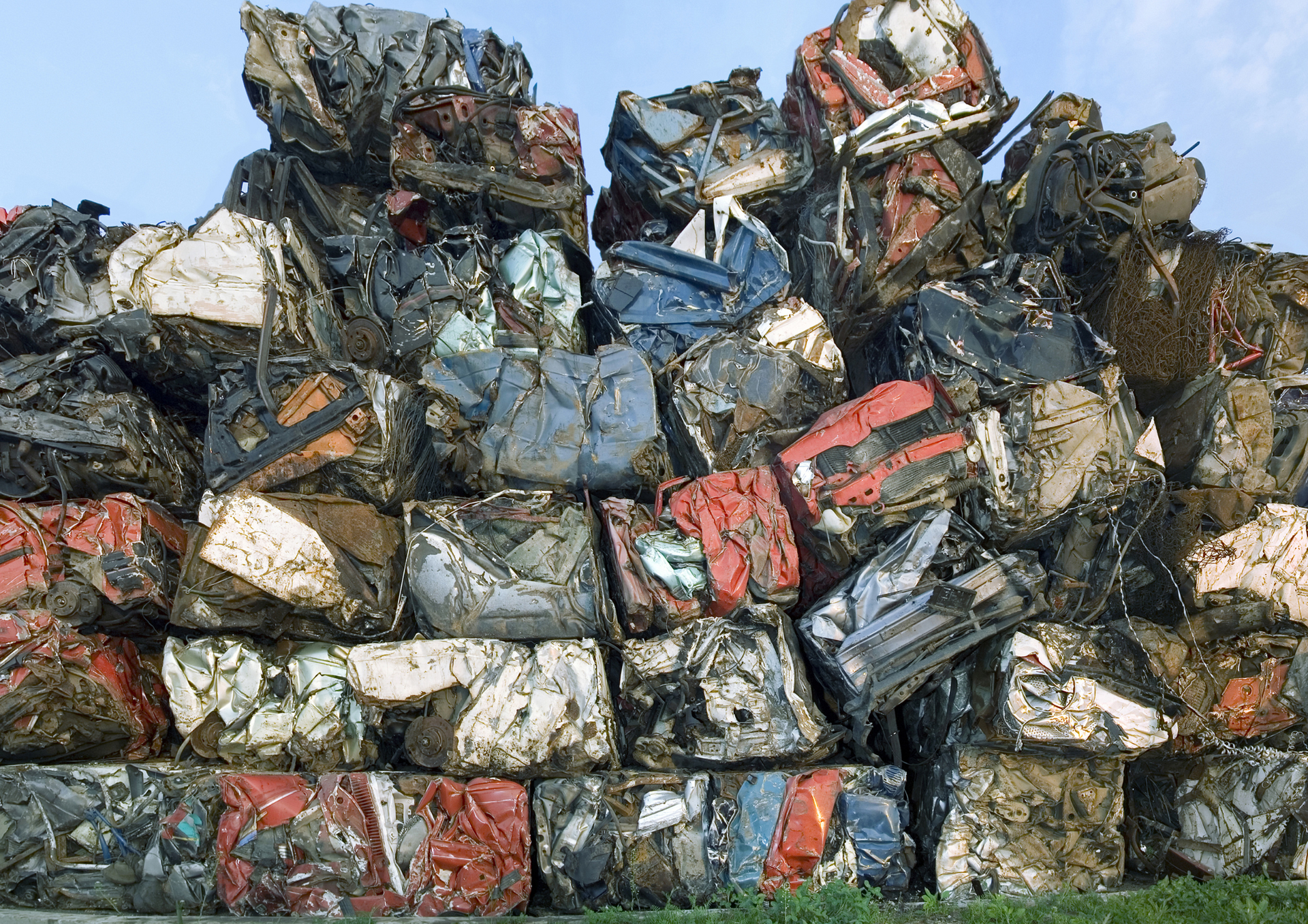
Many organisations choose to scrap your car fleet vehicles once repairs become uneconomical or when reliability begins to affect day-to-day operations. Understanding why businesses make this decision can help vehicle owners and fleet managers recognise when disposal may be a more sensible option than ongoing maintenance.
This guide explains the benefits of retiring fleet vehicles.
The Rising Cost of Fleet Vehicle Maintenance
Fleet vehicles are often subjected to demanding schedules, covering significant mileage throughout their working lives. Continuous use naturally leads to wear on engines, transmissions, suspension systems, braking components, and electrical systems.
While regular servicing can help extend vehicle lifespan, repair requirements generally increase with age, leading many businesses to consider options such as scrap your car when maintenance costs become difficult to justify. For businesses, ongoing maintenance costs can quickly become difficult to justify.
Replacing worn components, addressing recurring faults, and dealing with unexpected breakdowns all contribute to rising operational expenses. As these costs increase, the overall value of keeping the vehicle in service may decline.
Many fleet operators eventually reach a point where maintaining older vehicles no longer represents good value. At this stage, some begin exploring options such as junk my car when considering how best to remove ageing vehicles from their fleet.
Businesses often find that replacing older vehicles with newer alternatives improves reliability while reducing unexpected maintenance requirements. This allows fleet managers to focus resources more effectively and support smoother day-to-day operations.
Reliability and Business Efficiency
Reliable vehicles are essential for businesses that depend on transportation to maintain productivity and meet customer expectations. As fleet reliability declines, organisations often review whether continued repairs remain practical or whether vehicle replacement would provide greater long-term value.
Business Operations and Reliability
- Delivery companies, service providers, tradespeople, and many other organisations rely on dependable vehicles to maintain schedules and support daily operations.
- When vehicles become unreliable, delays and operational disruptions can quickly affect productivity and customer service.
Impact of Frequent Breakdowns
- Vehicles undergoing repairs are unavailable for work, which can place additional pressure on the remaining fleet.
- Repeated breakdowns often lead to scheduling difficulties, reduced efficiency, and increased operational challenges.
Vehicle Retirement Decisions
- As reliability declines, many businesses determine that retirement is more practical than continued repairs.
- Some organisations choose to sell junk car assets that are no longer contributing effectively to business operations.
- Removing unreliable vehicles helps reduce downtime and supports a more dependable fleet.
Long-Term Fleet Performance
- Maintaining a reliable fleet helps businesses operate more efficiently and minimise unexpected disruptions.
- For organisations operating in busy locations, reliability often becomes one of the most important factors influencing vehicle replacement decisions.
Fleet Renewal and Long-Term Planning
Fleet renewal is often most effective when it is planned rather than driven by unexpected breakdowns or rising repair costs. Many organisations use structured replacement strategies to maintain reliability, control expenses, and keep vehicles operating efficiently throughout their working lives.
Vehicle Replacement Planning
- Many businesses implement replacement schedules based on vehicle age, mileage, maintenance records, and overall performance.
- A structured approach helps maintain consistent standards across the fleet and reduces the risk of unexpected operational issues.
Cost and Efficiency Considerations
- Older vehicles may continue to function adequately but often become more expensive to operate over time.
- Advances in vehicle technology, improved efficiency, and reduced maintenance requirements can make fleet renewal a practical long-term investment.
Retiring Ageing Fleet Vehicles
- Some organisations decide to sell my junk car fleet vehicles once they reach predetermined replacement thresholds.
- This allows businesses to retire vehicles before significant mechanical issues develop while maintaining a reliable and modern fleet.
Financial Planning Benefits
- Planned replacement strategies help businesses forecast costs more accurately.
- Proactive fleet management reduces the likelihood of unexpected expenditure associated with ageing vehicles.
Vehicle Disposal and Fleet Space Management
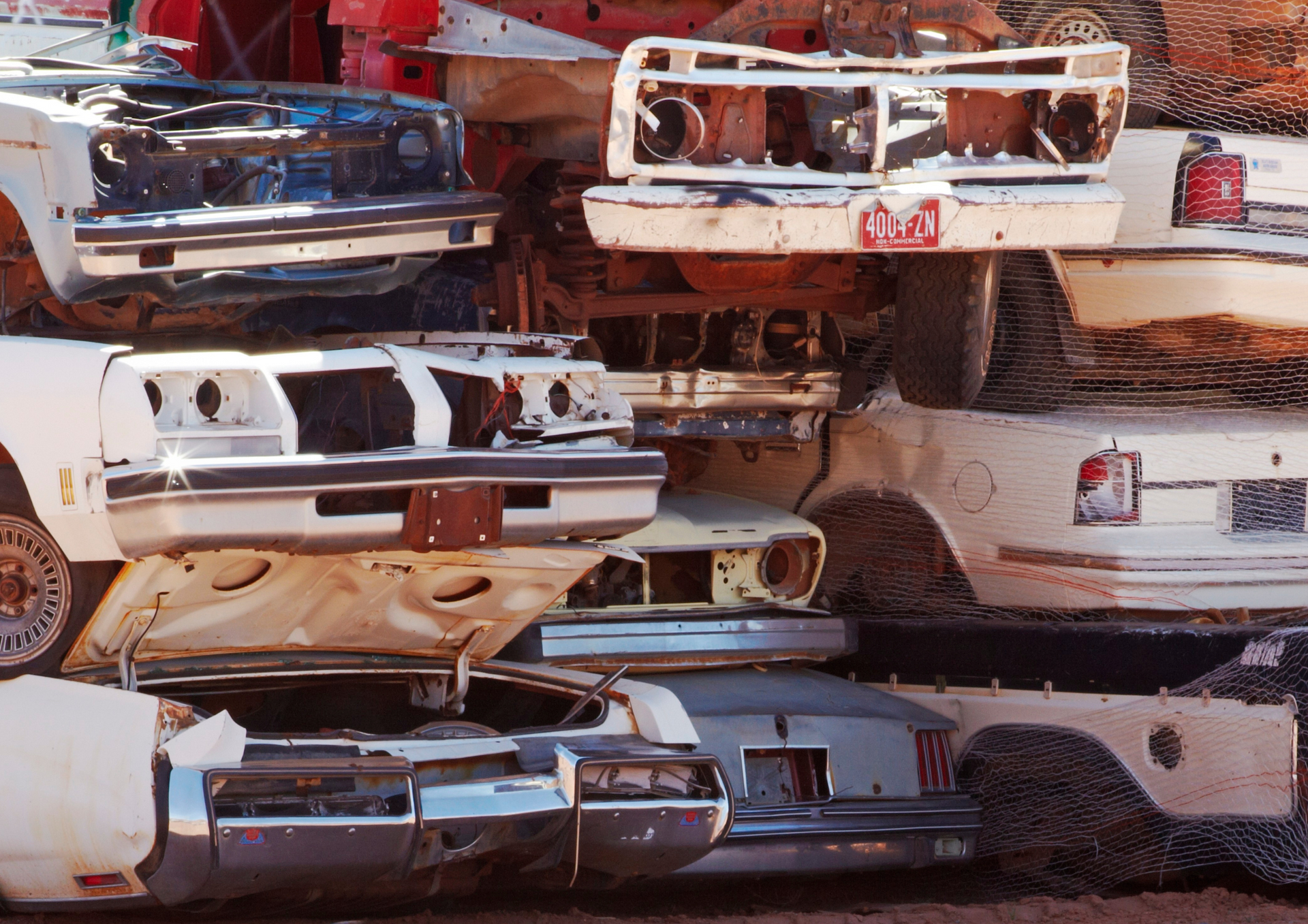
Unused vehicles can occupy valuable space at depots, business premises, storage yards, and operational sites. Vehicles that are no longer roadworthy or economical to repair often remain parked for extended periods while decisions are being made regarding their future.
Removing unwanted vehicles helps businesses maintain organised premises and maximise available space. It also reduces the administrative burden associated with managing inactive fleet assets.
Many organisations choose scrap cars for cash solutions when retiring multiple vehicles, as this provides a straightforward way to clear space while completing the disposal process efficiently. Fleet managers often appreciate the simplicity of removing several vehicles through a coordinated approach.
For businesses operating within London, where commercial space is often at a premium, reclaiming valuable parking and storage areas can provide additional operational benefits.
Scrap My Car London provides a dependable solution for businesses looking to dispose of fleet vehicles efficiently and professionally. With extensive local knowledge and a straightforward approach, we help fleet managers simplify vehicle removal while minimising disruption to day-to-day operations.
By focusing on clear communication and efficient collections, we support organisations throughout the area that need a reliable way to scrap your car fleet vehicles. Our team is ready to help businesses move forward with confidence while maintaining organised and productive operations.
Update on X: Why many businesses
scrap your car fleet vehicles instead of repairing them.
You might also like