Scrap My Car: How Your Vehicle Condition Can Affect Its Scrap Value
Deciding what to do with an ageing, damaged or unwanted vehicle often involves considering whether keeping it remains financially and practically worthwhile. Some vehicles reach this point gradually as repair costs increase, while others become unsuitable for regular use following a major mechanical problem, accident damage or long periods of inactivity.
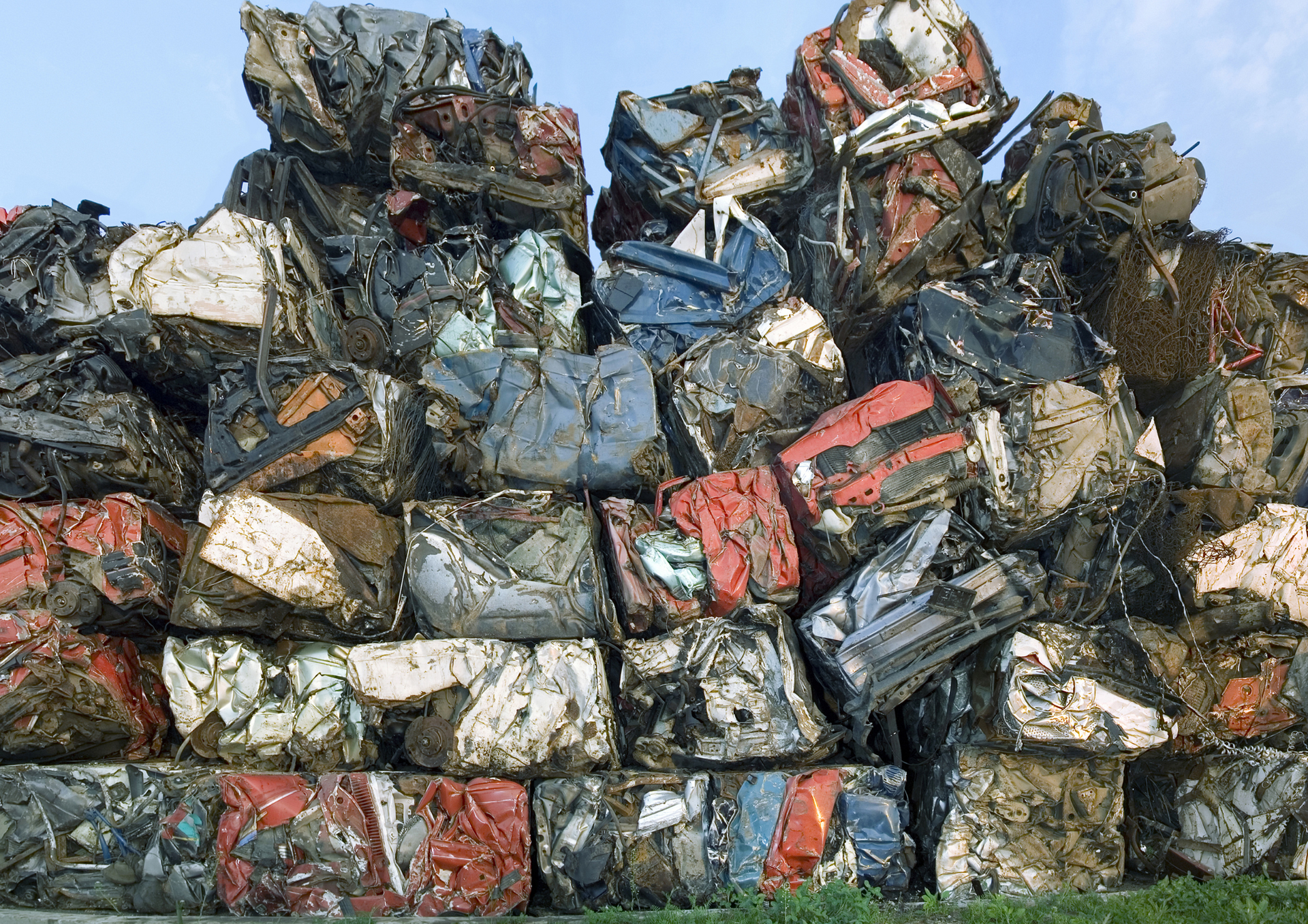
When motorists begin thinking about scrap my car, the physical and mechanical condition of the vehicle can influence how it is assessed. Although factors such as vehicle size, weight, model and current material values can contribute, conditions may determine whether particular components retain usefulness or whether the vehicle is primarily valued for its recoverable materials.
This is particularly relevant in London, where keeping a non-running vehicle can be inconvenient when driveway space and parking are limited. Similar considerations apply throughout the UK, especially for owners who no longer want to continue paying for repairs or storing a vehicle they cannot practically use.
Understanding how condition can affect value helps car owners, van drivers, commercial operators and other motorists approach disposal with more realistic expectations. The following sections explain some of the most important factors that may be considered.
How Overall Vehicle Condition Can Influence Value
No two end-of-life vehicles are exactly alike. Two cars of the same make, model and year can reach the end of their useful lives in very different conditions. One might still be complete but have a serious engine fault, while another could have extensive body damage, missing components and years of deterioration.
When assessing a scrap car, its completeness can be particularly relevant. A vehicle that still contains its major components may offer more recoverable material and potentially reusable parts than one that has already been extensively dismantled.
Several aspects of overall condition may be considered:
- Completeness: Missing engines, gearboxes, catalytic converters, wheels or other significant components can change the amount of recoverable material remaining in the vehicle.
- Body condition: Extensive corrosion, collision damage and structural deterioration can affect which components remain suitable for further use.
- Mechanical condition: A failed engine or gearbox may make the vehicle uneconomical to repair, although the remaining materials can still retain recovery value.
- Age: Older vehicles can have fewer reusable components, although age alone does not determine the final assessment.
- Vehicle size: Larger cars, vans and commercial vehicles generally contain different quantities of metal and other materials compared with smaller vehicles.
- Accessibility: A vehicle positioned in a difficult location or unable to roll freely can require different collection arrangements.
- Missing parts: Vehicles that have been partially dismantled may need to be assessed differently from complete vehicles.
It is therefore useful to describe the condition accurately rather than simply stating that the vehicle is unwanted. Information about whether it starts, rolls, steers and has all its major components can provide a clearer picture before collection arrangements are discussed.
Photographs may also help illustrate significant body damage, missing wheels or unusual access conditions where required. Accurate information reduces the likelihood of misunderstandings and allows the circumstances to be considered properly from the beginning.
For London motorists, location can add another practical consideration. Vehicles may be parked in underground areas, narrow residential streets, shared driveways or tightly controlled commercial premises. Although location is separate from physical condition, a badly damaged or immobile vehicle in a restricted position may require additional planning before it can be collected.
The key point is that poor mechanical condition does not necessarily mean a vehicle has no remaining value. Even when repair is no longer worthwhile, metals and other recoverable materials can continue to have practical uses.
Mechanical Problems, Accident Damage and Missing Components
Mechanical failure is one of the most common reasons owners decide that keeping an older vehicle is no longer practical. An engine problem, failed gearbox, electrical fault or extensive suspension issue can lead to repair costs that are difficult to justify relative to the vehicle's age and general condition.
A non-running vehicle can still contain a considerable amount of recoverable material. Steel, aluminium, copper and other resources do not automatically lose their usefulness because the engine will not start. Certain components elsewhere in the vehicle may also remain suitable for further use, depending on their condition.
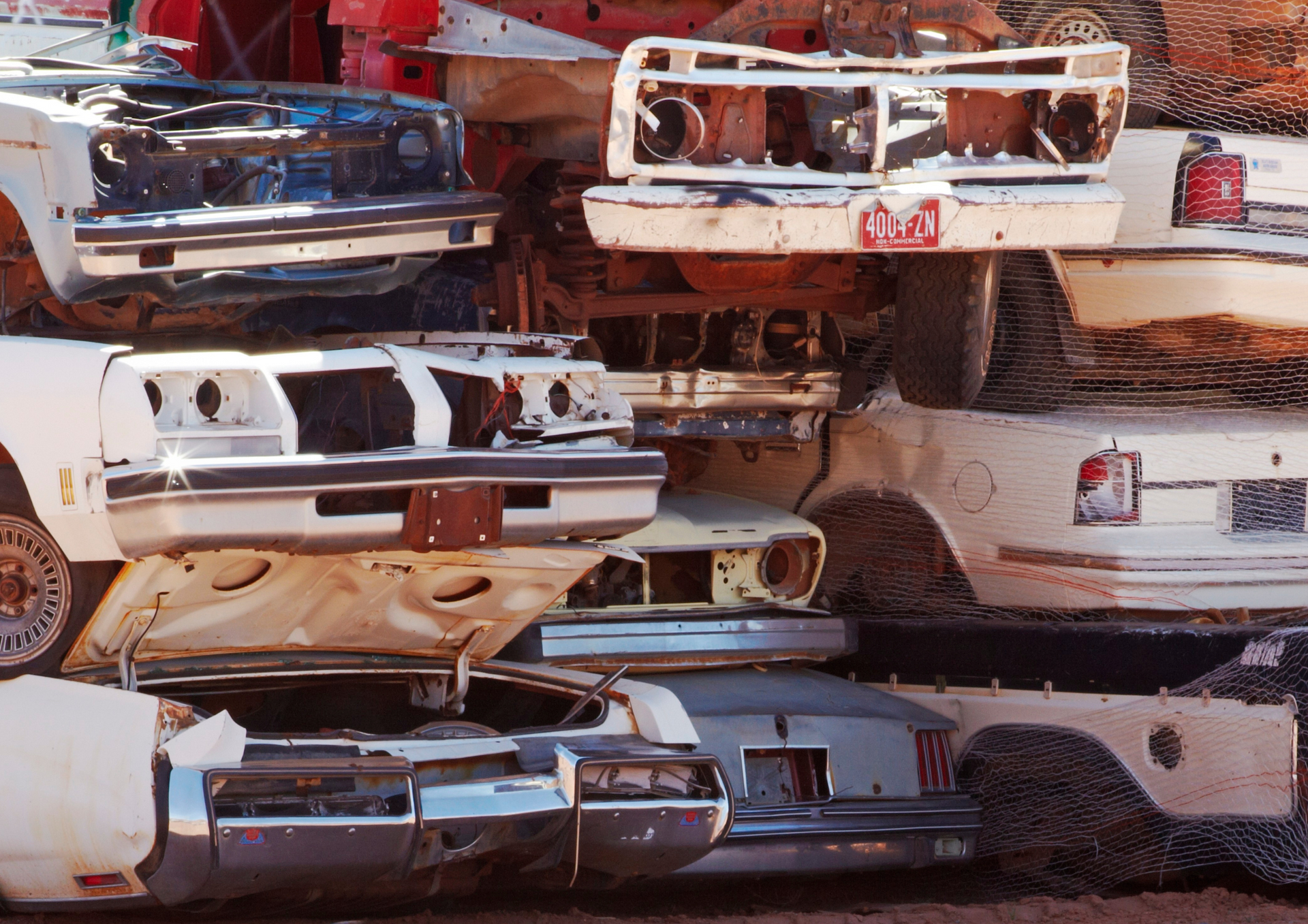
Accident damage presents a different situation. A collision can affect body panels, suspension components, wheels, glass and structural sections while leaving other areas relatively untouched. The extent and location of the damage can therefore influence how much of the vehicle remains suitable for recovery.
Motorists searching for scrap my car near me after a mechanical failure or collision should provide an accurate description of the vehicle before collection. Explaining whether it starts, rolls, steers or has substantial structural damage helps establish what practical arrangements may be needed.
Missing components can also make a difference. Some owners remove valuable or reusable parts before arranging disposal, particularly when a vehicle has been used as a source of spares. However, removing significant components reduces the amount of material and usable equipment remaining.
For example, an older van that still contains its engine, gearbox, wheels and other major assemblies is materially different from a shell that has been extensively stripped. The same applies to cars that have had important mechanical or exhaust components removed.
Long periods of storage can introduce additional deterioration. A vehicle left outside for several years may develop seized brakes, flat or damaged tyres, corrosion and electrical problems. Damp conditions can also affect interiors and electrical systems.
These issues are relevant beyond London as well. Whether a vehicle is stored on a driveway in a suburban area, at a rural property or within a commercial yard, its condition can continue changing while it remains unused.
Owners do not necessarily need detailed mechanical knowledge before making an enquiry. A straightforward description of visible damage, known faults, missing components and whether the vehicle can move is generally more useful than attempting to diagnose every problem independently.
What Other Factors Can Affect the Amount Offered?
Vehicle condition is important, but it is not the only consideration when determining potential value. End-of-life vehicles contain different quantities and types of recoverable materials, while changing market conditions can also influence their assessment.
For motorists comparing scrap cars for cash, it is useful to understand that an advertised figure for one vehicle may not automatically apply to another. Differences in weight, model, completeness, material content and collection requirements can all contribute to variations.
Some of the broader factors that can affect an assessment include:
- Vehicle weight: Larger vehicles can contain greater quantities of recoverable metal than smaller city cars.
- Make and model: Different models contain different components, materials and potential reusable parts.
- Current material values: The market value of metals can change over time, affecting how recoverable resources are assessed.
- Age and specification: Certain components may have different demand depending on the age, version and specification of the vehicle.
- Completeness: Vehicles retaining their principal components can differ in value from heavily stripped shells.
- Location: Collection distance and accessibility may form part of the practical arrangements.
- Vehicle type: Cars, vans, minibuses and other vehicles differ substantially in weight, construction and material content.
- Condition of components: Some parts may retain usefulness even when the complete vehicle is no longer economical to repair.
These factors explain why obtaining information based on the actual vehicle is generally more useful than relying entirely on generic figures found online.
Registration details can help identify the vehicle accurately, while an honest description of its condition provides useful context. If major parts have been removed, this should be mentioned before an assessment is made.
Owners should also avoid assuming that cosmetic appearance determines everything. A dirty, faded or dented vehicle may still be complete and contain substantial recoverable material. Conversely, a car that looks relatively tidy externally could have major mechanical faults or missing components.
Commercial vehicles require similar consideration. A high-mileage van may have significant mechanical wear while remaining largely complete. For businesses replacing older fleet vehicles, assessing each one individually can therefore be more practical than assuming every vehicle of the same age will have an identical value.
Preparing an Unwanted Vehicle Before Collection
Once an owner decides that disposal is the appropriate option, preparing the vehicle can help make collection more straightforward. This is especially useful when the car or van has been unused for an extended period or cannot be driven.
Arranging scrap car removal begins with providing clear information about the vehicle and where it is located. A non-running car parked on an accessible driveway presents different collection circumstances from one with seized wheels positioned behind other vehicles or inside a restricted parking area.
Before the scheduled collection, owners should remove personal possessions from the vehicle. Door pockets, glove compartments, centre consoles and boots can contain documents and belongings that are easily forgotten. Vans should also be checked carefully because tools, equipment and work materials may have been left in storage areas.
Keys and relevant vehicle documentation should be located where available. Owners should also mention significant problems that could influence loading, such as damaged steering, missing wheels or severe accident damage.
Access deserves particular attention in London. Residential streets can have limited space, while apartment developments and commercial properties may use gates, barriers or controlled entrances. Providing this information beforehand can help avoid preventable delays.
Owners elsewhere in the UK face similar considerations. Rural properties may have narrow access roads, while urban locations can involve parking restrictions or congested streets. Commercial premises may also have designated access periods or security requirements.
Preparation does not mean attempting repairs simply to make the vehicle suitable for collection. If a vehicle no longer starts, has flat tyres or cannot move safely, these circumstances can simply be explained when making arrangements.
It is also sensible to avoid removing significant parts after an assessment has been discussed. If the condition changes before collection, providing an updated description helps ensure the information remains accurate.
Taking a few minutes to check the vehicle, gather available details and confirm access can make the handover more organised. It also allows owners to resolve practical matters before the collection vehicle arrives rather than dealing with unexpected issues at the last moment.
Vehicle condition can play an important role when an unwanted car, van or other vehicle is assessed for disposal. Mechanical faults, accident damage, corrosion, missing components and long-term deterioration can all influence what remains recoverable.
However, condition should be considered alongside other factors such as vehicle size, weight, model, completeness, material content and current market conditions. A vehicle that no longer makes financial sense to repair can still contain metals and components with further practical value.
For motorists deciding whether to scrap my car, providing accurate information is one of the simplest ways to understand what to expect. Details about mechanical problems, missing parts, mobility and access can help create a clearer assessment and allow appropriate collection arrangements to be considered.
For vehicle owners in London and elsewhere in the UK, understanding these factors can make the disposal process easier to approach and help establish realistic expectations before an unwanted vehicle is collected.
Scrap My Car London provides a straightforward approach for motorists who need to dispose of unwanted, damaged, ageing or non-running vehicles. We focus on clear communication so you can explain the vehicle's condition, location and any access considerations before collection arrangements are made.
Our local approach is particularly useful across London, where narrow residential roads, limited parking, shared driveways and busy commercial locations can influence how collections need to be organised. If you are considering when to scrap my car, understanding these practical circumstances and providing accurate information can help make the process clearer from the outset.
Whether your vehicle has developed an expensive mechanical problem, suffered substantial damage, accumulated high mileage or remained unused for a long period, we aim to provide a practical and manageable collection process based on the information you provide.
Check out our latest X update on how your vehicle’s condition can affect its scrap value when you decide to
scrap my car.
You might also like